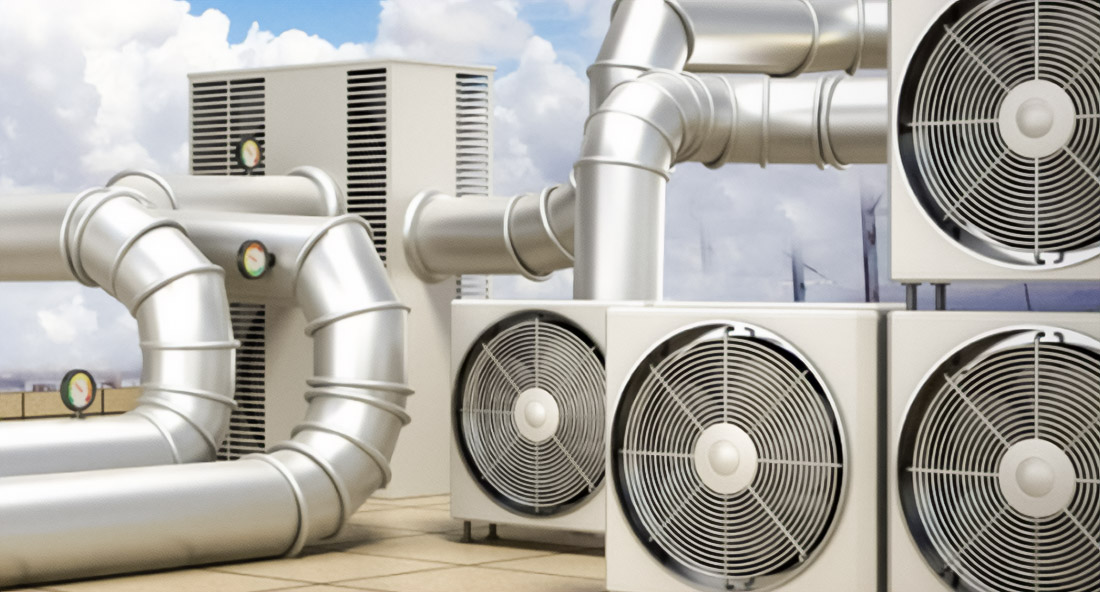
1. Design and Working Principle
Low-temperature radiators are designed for a coolant with a supply temperature of 40 to 55 °C. To do this, they are equipped with an enlarged heat exchange surface: wider fins, reinforced conventional plates, and the channels themselves are compressed in size — all this allows heat to be transferred efficiently with “warmer” water.
2. Optimization of Energy Consumption
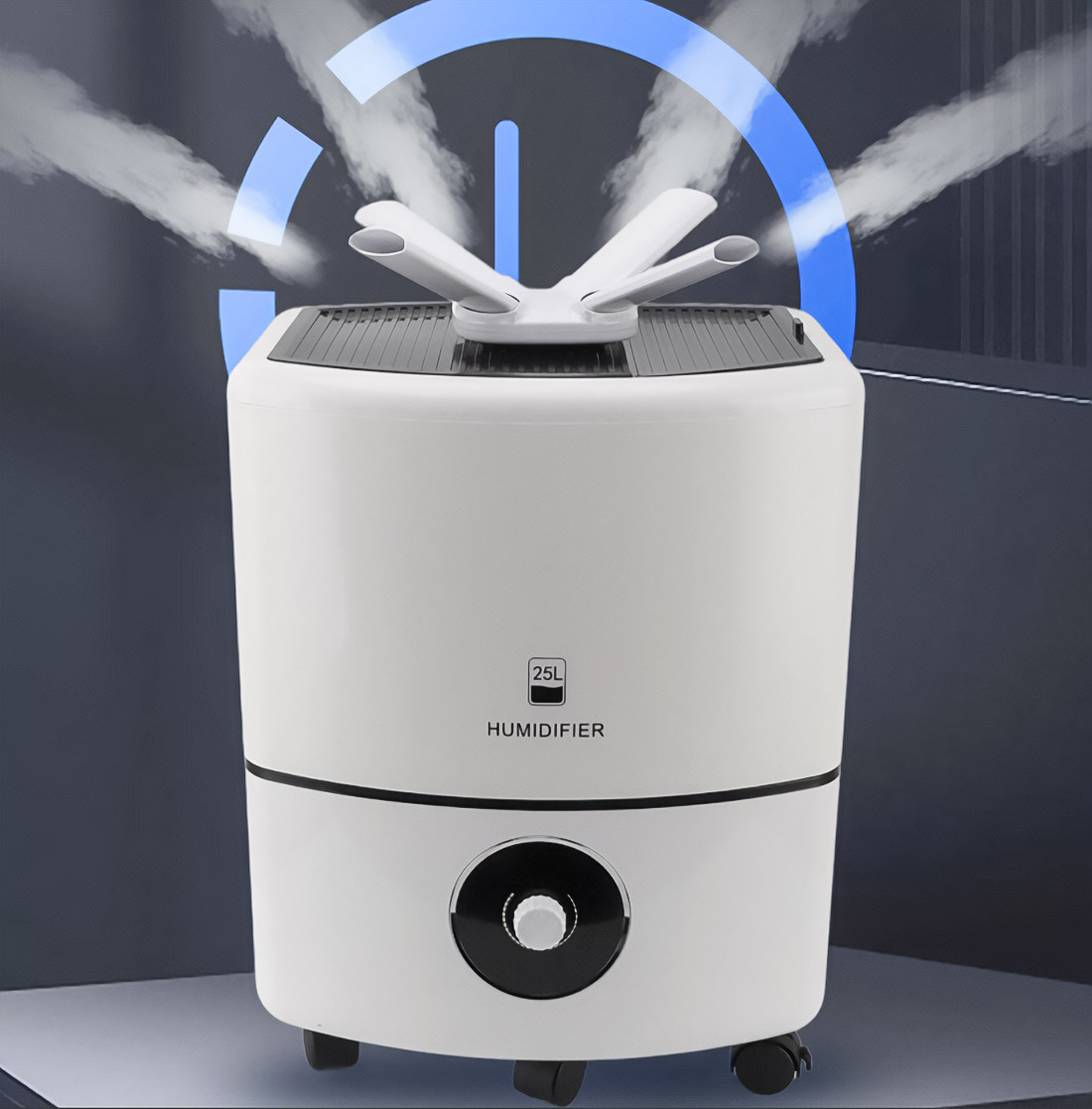
Operation at reduced temperatures allows the boiler or heat pump to achieve a better efficiency indicator. As a result, more heat is obtained with the same energy consumption. This way it is possible to significantly reduce gas or electricity bills.
3. Comfort and Uniform Warmth
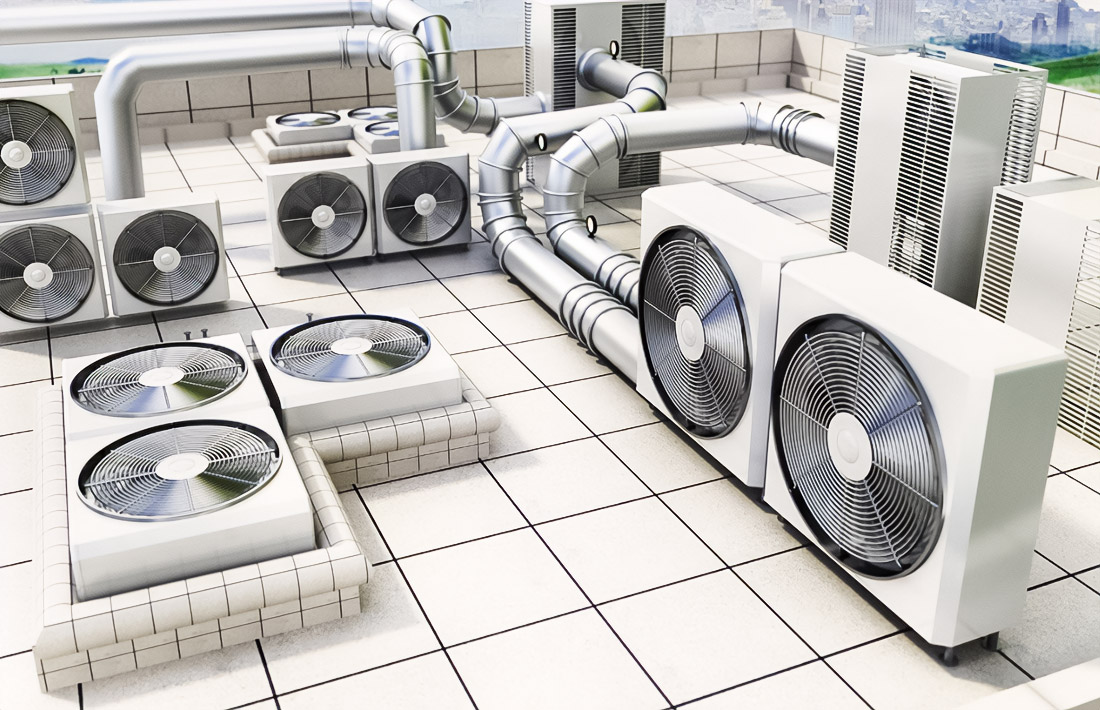
Low-temperature radiators give soft and even heat. There are no sharp changes or very hot areas. Rooms warm up evenly, floors stay cozy, and the air moves gently. This means there’s less dust and the air stays fresh and comfortable.
4. Safety and Air Quality
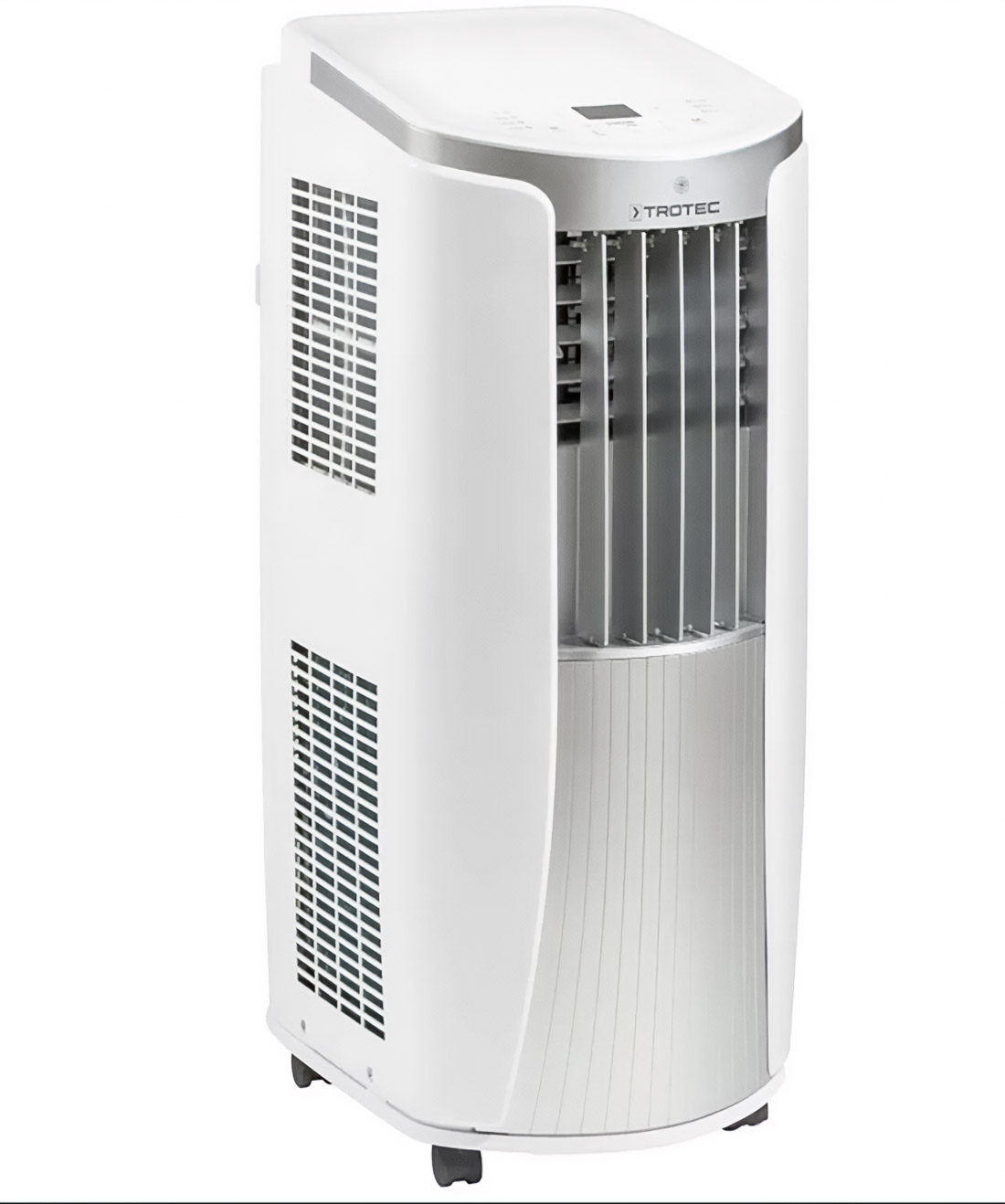
Since the radiator does not heat up above a comfortable level (about 45 °C), the risk of burns when touched is eliminated. And low convective activity reduces air turbulence, which improves air quality, it remains more humidified and with less dust suspended.
5. System Reliability and Reduced Sediment Formation
Working at lower temperatures helps stop rust, scale, and dirt from building up inside the system. This makes the pipes, valves, and the boiler or heat pump last longer.
6. Connection with Renewable Technologies
If a heat pump is installed in the house or a solar system is provided, low-temperature radiators become an ideal choice. They operate at the optimal temperature for such sources, providing stable heating and cooling solution without the need to raise the water temperature.
7. Aesthetics and Flexibility of Design
Such radiator
are often available in compact and elegant enclosures — vertical, hidden in niches or embedded in furniture. This gives the designer the opportunity to harmoniously integrate heating into any interior style — from minimalism to classics.
8. Basic Conditions for Efficiency
Thermal insulation of walls and windows — without proper protection of the building, the required supply water temperature may not be sufficient.
Accurate hydraulic calculation of rooms — it is important to choose the size and capacity of the radiator for real heat loss.
A suitable heating device is, for example, a condensing boiler or a heat pump capable of consistently supplying water in the desired temperature range.
Climate automation — thermostatic valves and sensors help to avoid overheating and optimize system operation.
Results
Low-temperature radiators in hydronic systems are:
- Rational use of fuel and electricity
- Subdued and harmonious heating
- Safety and improved air hygiene
- System durability and wear resistance
- Fully compatible with heat pumps and solar installations
- Miniature and stylish solutions for any interior
Thus, such a system combines economy, comfort and modern environmental friendliness — provided proper design and high-quality execution.

Snowboarder, risk-taker, ukulelist, Eames fan and typography affectionado. Acting at the crossroads of beauty and mathematics to craft experiences that go beyond design. I prefer clear logic to decoration.